How Board Games Built a Holiday Empire
Written by Arbitrage • 2025-12-30 00:00:00
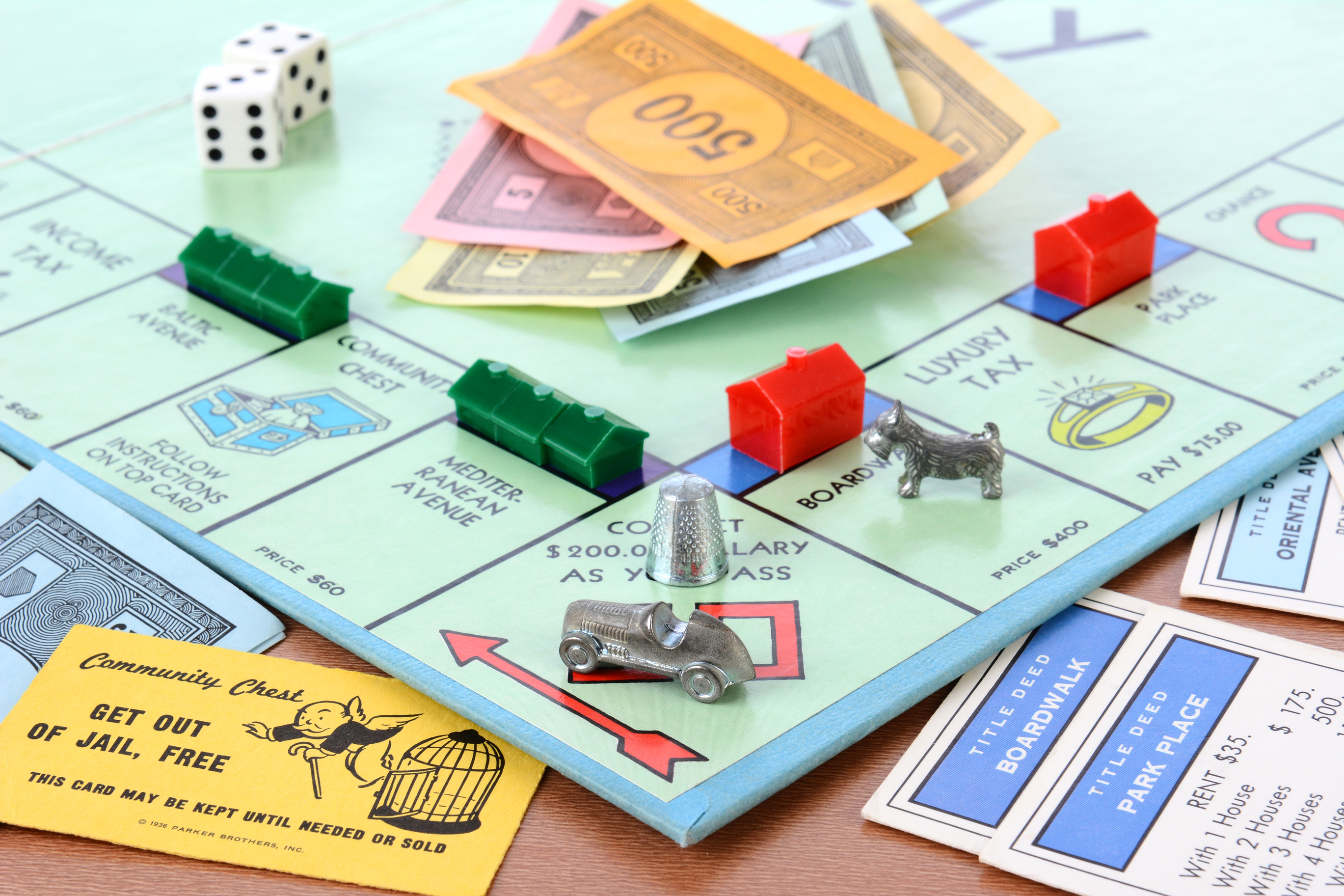
Long before digital subscriptions and in-game purchases, one of the most enduring wealth engines in American history came in a cardboard box. Parker Brothers didn't just sell board games; they monetized tradition, timing, and repeat behavior, turning holiday spending into a multigenerational business model. Their story is a reminder that some of the most powerful economic engines aren't built on complexity, but on consistency.
From Printing Games to Printing Cash Flow
Founded in 1883 by George S. Parker, Parker Brothers started with a simple belief that people didn't just want entertainment - they wanted shared experiences. Early successes like Banking and Tiddledy Winks laid the foundation, but the real inflection point came when the company understood seasonality. Board games weren't impulse buys. They were event purchases, peaking during holidays when families gathered and discretionary spending loosened. Parker Brothers leaned into that behavior decades before retailers coined the term "Q4 sales surge."
Monopoly: The Ultimate Holiday Flywheel
The acquisition of Monopoly in the 1930s transformed Parker Brothers from a publisher into a cultural institution. Monopoly had everything a long-term asset needs: infinite replay value, simple rules with deep engagement, and social interaction across age groups. It soon became a holiday staple. Once a game entered a family's tradition, it didn't get replaced. Rather, it got repurchased, gifted, and upgraded. That repeat cycle created predictable demand year after year. In modern terms, Parker Brothers built recurring revenue without subscriptions.
Distribution Was the Real Moat
Parker Brothers mastered retail before retail was optimized. By securing shelf space in department stores and toy shops nationwide, the company controlled visibility during peak buying windows, especially Thanksgiving through Christmas. Board games were easy to stock, non-perishable, and had a high-margin relative to production cost. Each holiday season functioned like a demand reset. New families entered the market, children aged into new games, and traditions refreshed themselves automatically.
Licensing, IP, and Longevity
As the brand grew, Parker Brothers expanded into licensed titles and variations, extending the lifespan of their core products without reinventing the wheel. The value wasn't in novelty. It was in intellectual property durability. Eventually, this durability culminated in Parker Brothers' acquisition by Hasbro in 1991. The purchase wasn't about cardboard and plastic; it was about owning behavior patterns tied to holidays and family rituals.
The Market Lesson Hidden in the Toy Aisle
Parker Brothers built wealth by understanding something markets still wrestle with today: people repeat what feels familiar - especially during emotional moments like the holidays. While modern investors focus on innovation and disruption, Parker Brothers monetized predictable seasonal demand, emotional purchasing decisions, and products that never went obsolete. It is a case study in how steady consumer behavior can outperform flashy trends.
Final Thoughts
The Parker Brothers story isn't just about board games. It's about timing, tradition, and understanding how consumers behave when wallets open and families gather. In markets - just like in holiday shopping - the biggest winners aren't always the loudest. Sometimes they're the ones quietly sitting on the table every December, year after year, waiting for someone to roll the dice.