Household Efficiency: Reducing Repeat Spending Through Reuse
Written by Arbitrage • 2026-01-12 00:00:00
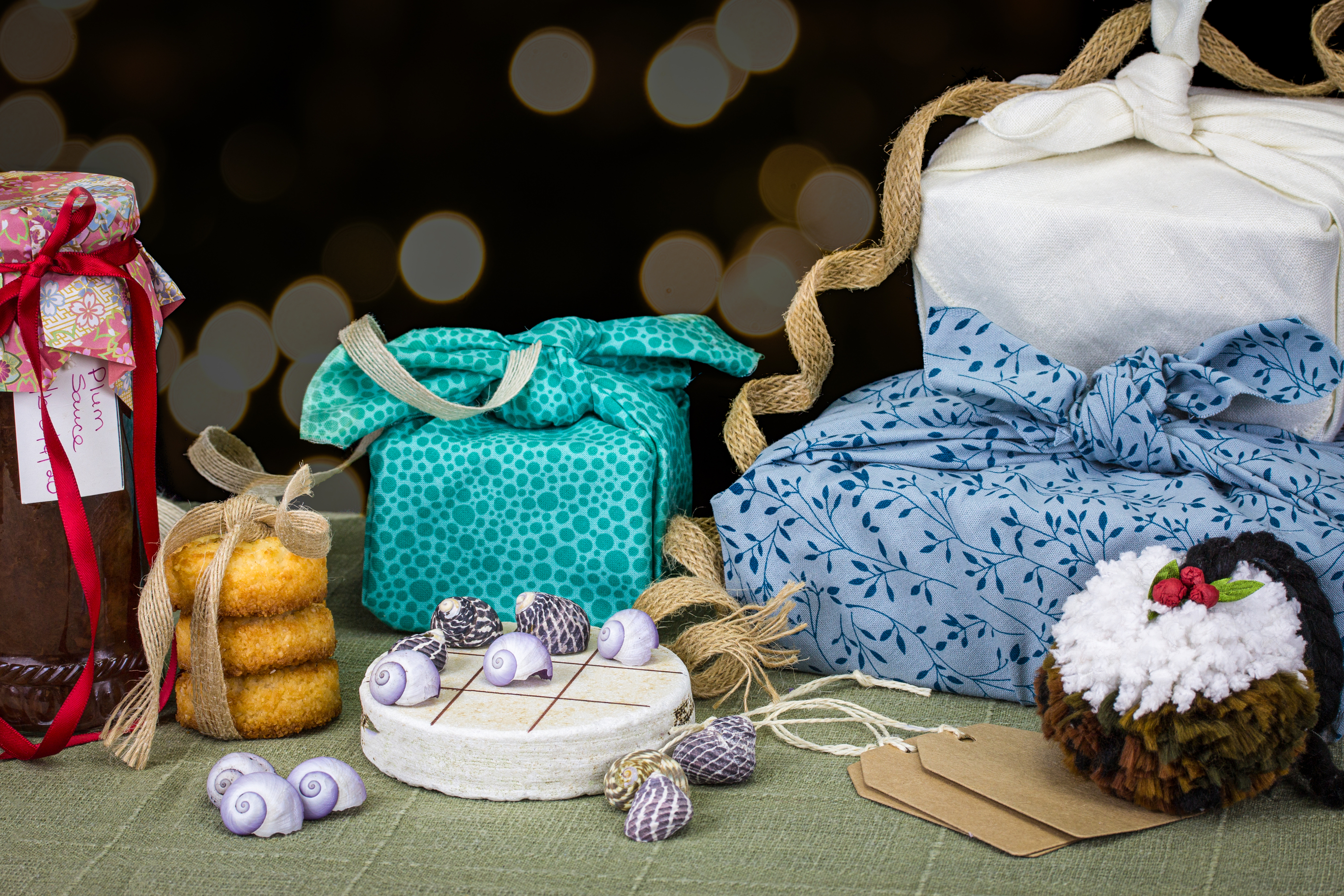
In a world shaped by rising costs and persistent inflation, financial discipline often shows up in small, repeatable habits rather than dramatic lifestyle changes. One of the simplest and most overlooked examples appears every holiday season: what we do with gift bags, boxes, tissue paper, and wrapping supplies once the gifts are opened.
What may seem trivial at first glance actually reflects a broader principle of household capital efficiency.
Small Savings, Repeated Often
Gift wrap, bags, and decorative supplies are classic "low-ticket, high-frequency" purchases. Individually inexpensive, they become recurring costs that reset every year. Reusing these materials doesn't meaningfully change a budget once, but over time, it reduces frictional spending, the kind that quietly erodes discretionary income. Financially, this is similar to eliminating unnecessary transaction costs in a portfolio.
Inflation Awareness at the Household Level
Paper goods, packaging, and seasonal decor have experienced price increases driven by higher pulp and packaging costs, transportation and labor expenses, and seasonal demand spikes. Saving usable gift supplies acts as a hedge against those predictable price pressures. It's not about deprivation; it's about timing purchases once instead of repeatedly at higher future prices.
Behavioral Finance in Practice
One reason this habit works is psychological. When supplies are already on hand, households are less likely to make last-minute purchases driven by urgency rather than need. This mirrors disciplined investing: planning ahead reduces emotional decisions and avoids paying premiums created by time pressure.
Efficiency, Not Aesthetics
Reusing gift materials doesn't require sacrificing presentation. Many bags, boxes, and ribbons are designed for multiple uses, and organizing them after the holidays increases their lifespan. From a systems perspective, this is simply asset utilization - getting maximum value from something already owned.
The Bigger Takeaway
Financial resilience isn't built only through income growth or market returns. It's also built through habits that limit waste, reduce unnecessary spending, and create optionality. Saving gift supplies for future use is a small behavior, but it reflects a mindset aligned with long-term financial stability.
Final Thoughts
The most effective financial strategies are often quiet and unglamorous. They don't show up on balance sheets or market dashboards - but they compound over time. Whether in portfolios or households, efficiency tends to win.