Remembering Dr. King and His Legacy
Written by Arbitrage • 2026-01-19 00:00:00
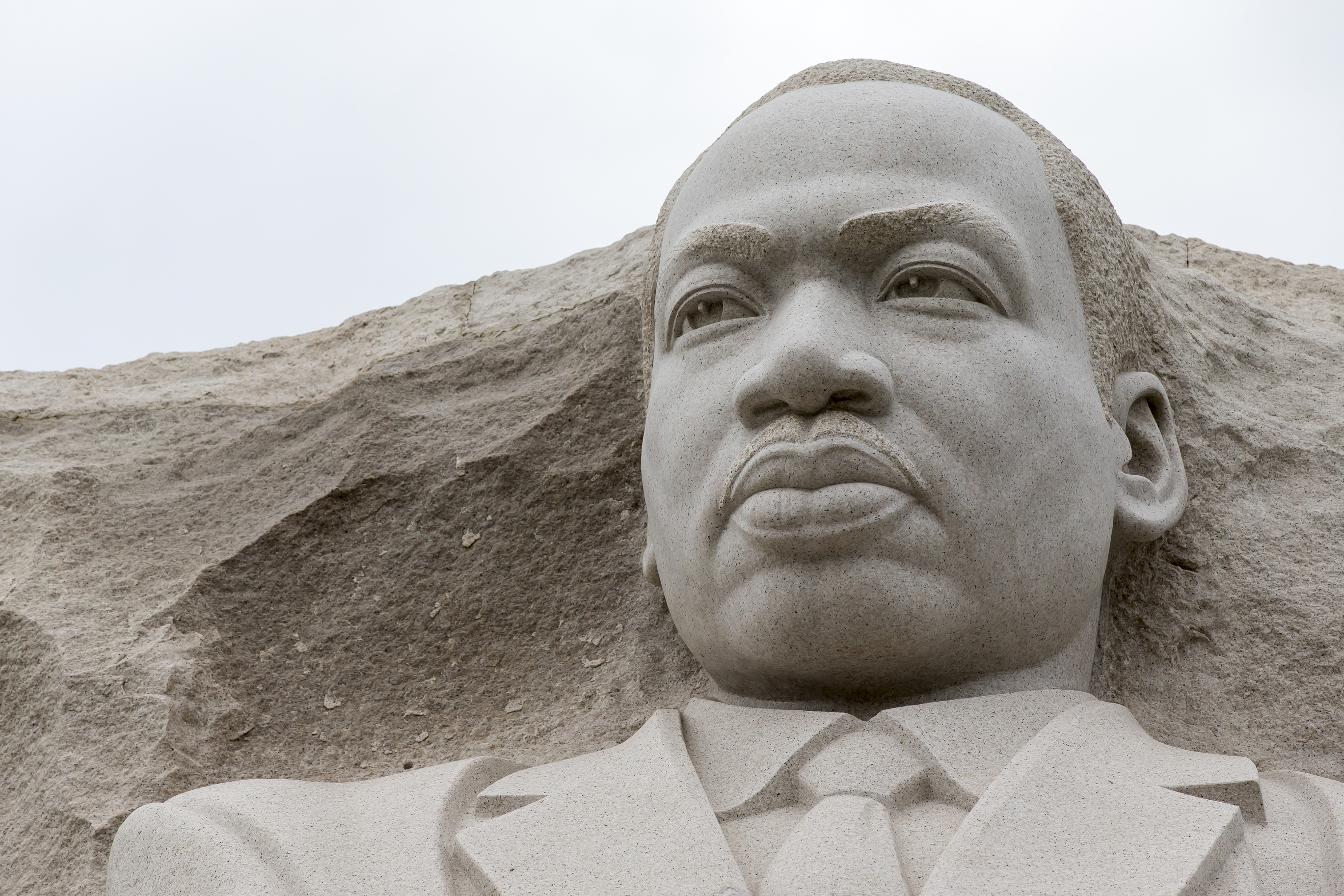
Every January, the United States pauses to honor the life and legacy of Martin Luther King Jr., one of the most influential figures in American history. The holiday, officially known as Martin Luther King Jr. Day, is observed on the third Monday of January, close to King's birthday on January 15. It serves both as a commemoration of his leadership in the Civil Rights Movement and as a broader reflection on the nation's ongoing pursuit of equality, justice, and civic responsibility.
Dr. King rose to national prominence in the 1950s and 1960s as a Baptist minister and civil rights leader who championed nonviolent resistance as a means of confronting racial segregation and systemic injustice. Inspired by Christian theology and the teachings of Mahatma Gandhi, Dr. King believed that peaceful protest could expose the moral failings of unjust laws while preserving human dignity. His leadership during events such as the Montgomery Bus Boycott, the Birmingham Campaign, and the March on Washington helped catalyze sweeping social change. His 1963 "I Have a Dream" speech remains one of the most recognizable and enduring addresses in American political history.
The movement King helped lead contributed directly to landmark legislation, including the Civil Rights Act of 1964 and the Voting Rights Act of 1965. In recognition of his impact, King was awarded the Nobel Peace Prize in 1964 at the age of 35, becoming one of the youngest recipients in history. Despite facing constant threats, imprisonment, and ultimately assassination in 1968, King's message of nonviolence, moral courage, and collective responsibility continued to resonate long after his death.
The push to recognize Dr. King with a national holiday began soon after his assassination. Advocates argued that his contributions were foundational to modern American democracy and deserving of formal recognition alongside other pivotal national figures. After years of public debate and legislative efforts, Martin Luther King Jr. Day was signed into law in 1983 by President Ronald Reagan. The holiday was first observed at the federal level in 1986, though some states did not formally recognize it until years later. By the year 2000, all 50 states officially observed the holiday.
Unlike many federal holidays, Martin Luther King Jr. Day is widely framed as a "day on, not a day off." It emphasizes service, community engagement, and reflection rather than simple commemoration. Across the country, schools, nonprofits, and civic organizations host volunteer projects, educational programs, and discussions focused on civil rights, social justice, and civic participation. The holiday encourages Americans not only to remember King's words, but to actively apply his principles in their own communities.
At its core, Martin Luther King Jr. Day celebrates more than one man's achievements. It honors the broader struggle for civil rights and challenges each generation to confront inequality, prejudice, and injustice wherever they persist. By observing the holiday each January, the nation is reminded that King's vision of equality and mutual respect remains unfinished work - one that requires continued effort, empathy, and action.