Five Minutes for Tradition
Written by Arbitrage • 2026-02-02 00:00:00
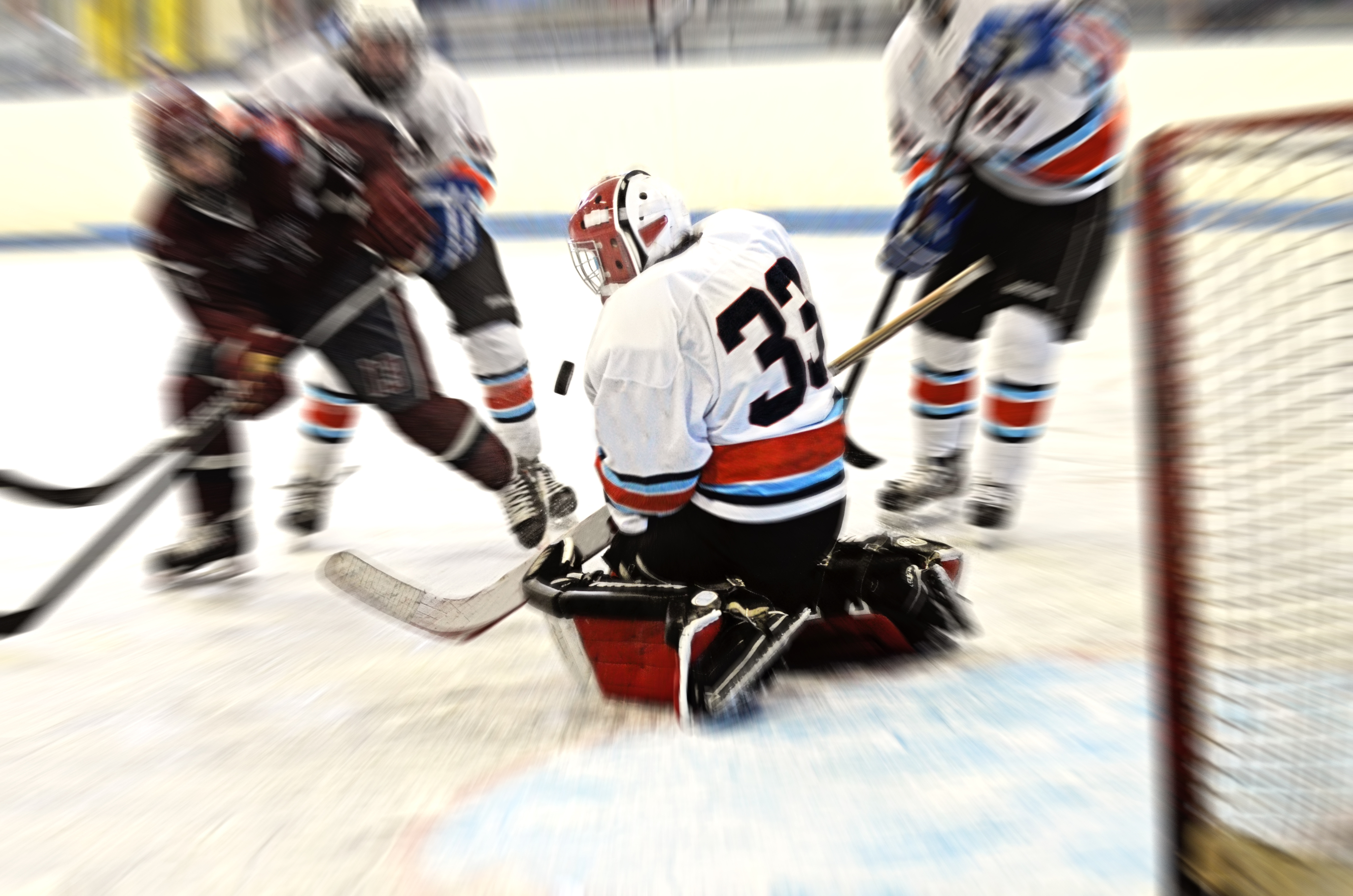
Why is fighting still allowed in hockey? Few things confuse non-fans, or divide hockey fans more, than the continued presence of fighting in a modern professional sport. In an era defined by concussion research, player safety initiatives, and tighter rule enforcement, hockey's tolerance of fighting can feel outdated and out of place. The reality, however, is that fighting is not truly "allowed" so much as it is tolerated, and that tolerance is rooted in history, culture, and a slow-moving process of institutional change.
Fighting in hockey began as a response to the early structure of the game. In the late nineteenth and early twentieth centuries, rules were inconsistent, officiating was limited, and protective equipment was minimal. Players took enforcement into their own hands, using fights to retaliate against dangerous play, protect teammates, and establish boundaries on the ice. As professional leagues developed, fighting did not disappear. Instead, it became embedded in the sport's culture, reinforced by fan expectations, player norms, and even roster construction.
In the National Hockey League (NHL), fighting is penalized but not prohibited. Players who fight receive an automatic five-minute major penalty and may face fines or suspensions if they are repeat offenders, but they are not automatically ejected from the game. This distinction is crucial, because it signals tolerance rather than outright rejection. In contrast, international hockey governed by the International Ice Hockey Federation treats fighting as a serious violation that results in immediate ejection and often suspension. The result is simple: fighting is common in North American professional hockey and rare almost everywhere else.
Hockey's tolerance of fighting also sets it apart from other sports. The game is played at high speed, on a hard surface, with sticks, blades, and boards that can cause significant harm. Historically, league officials believed that allowing fighting reduced more dangerous forms of retaliation, such as high sticks or late hits. Hockey also features long stretches of continuous play, giving referees fewer natural stoppages to intervene, which contributed to the idea that players needed a way to regulate behavior themselves. Over time, fighting became part of the sport's identity in North America, associated with toughness, loyalty, and standing up for teammates in ways that other sports never normalized.
The claim that fighting makes hockey safer has been central to its defense, but modern evidence increasingly undermines that argument. Research shows that fighting does not meaningfully reduce dangerous play or overall injury rates. Teams that fight more often do not experience fewer cheap shots or violent penalties. At the same time, fights introduce clear and measurable risks, particularly concussions caused by punches or by players hitting the ice. Importantly, leagues that ban fighting outright, including college hockey and international competition, have not seen increases in dirty play or injury rates, suggesting that strong officiating and supplemental discipline are sufficient deterrents.
Despite the absence of a formal ban, fighting is already fading from the game. The role of the enforcer has largely disappeared as speed, skill, and versatility have become more valuable than intimidation. Players are more aware of the long-term consequences of brain injury, and younger players are developing in systems where fighting is not permitted at all. As a result, the number of fights in professional hockey has declined steadily since the early 2000s without the need for dramatic rule changes.
It is likely that fighting will eventually disappear from professional hockey, but the change will be incremental rather than abrupt. Automatic ejections, longer suspensions, and stricter supplemental discipline would effectively eliminate fighting without requiring a symbolic rule overhaul. This gradual approach allows the sport to evolve while managing the cultural resistance that often accompanies rapid change.
Ultimately, fighting persists in hockey not because it is necessary or effective, but because tradition lingers longer than evidence. Hockey remains a fast, physical, emotionally intense sport without relying on fistfights, and the direction of the game suggests that it no longer needs them.