Understanding Tinnitus
Written by Arbitrage • 2026-02-12 00:00:00
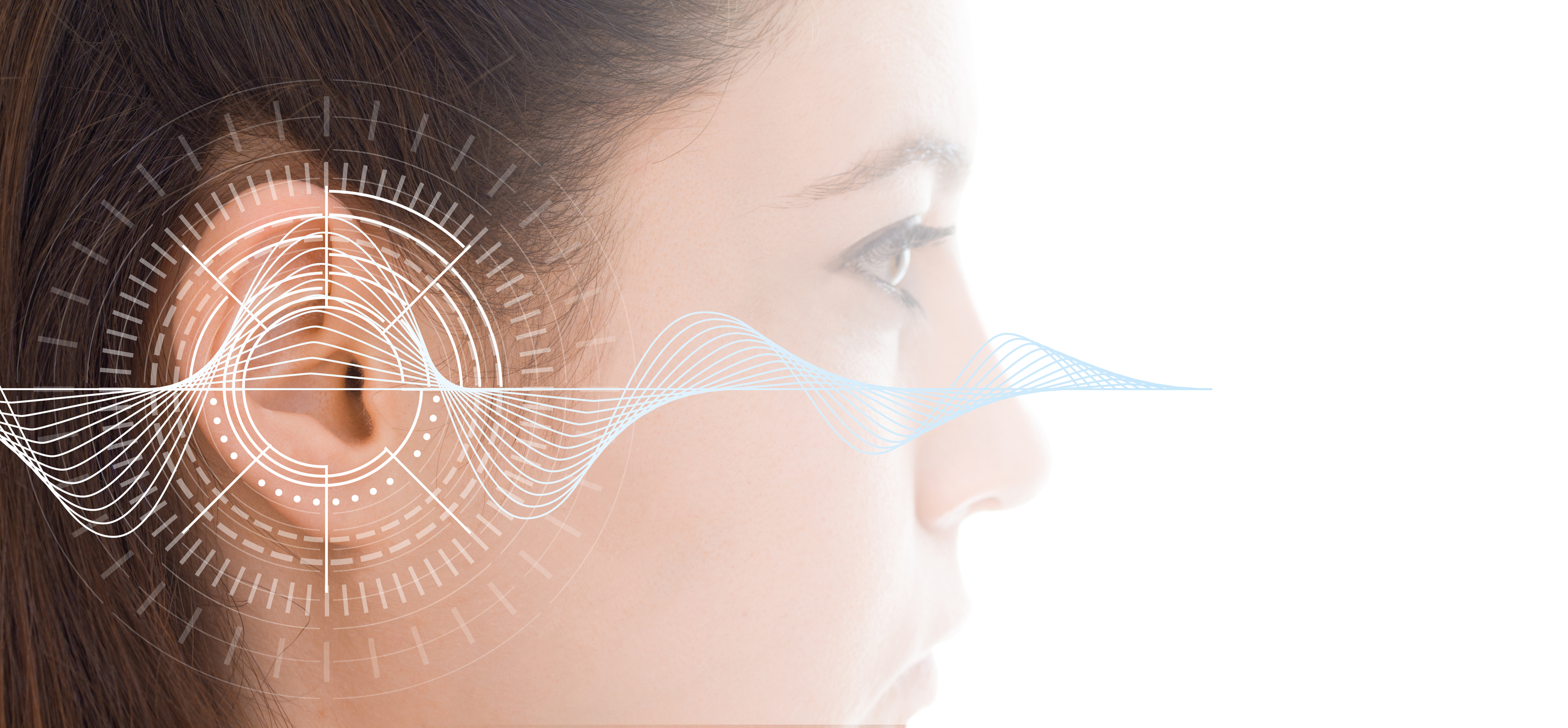
Tinnitus is the perception of sound without an external source, often described as ringing, buzzing, hissing, or humming in the ears. For some people it is a mild, occasional annoyance, while for others it becomes a persistent and distressing condition that interferes with sleep, concentration, and emotional well-being. According to hearing specialists, tinnitus is not a disease itself but a symptom that something in the auditory system or broader nervous system is out of balance. "Tinnitus is the brain's response to missing or altered sound input," explained audiologist Dr. Karen Mitchell. "When the ear no longer sends clear signals, the brain essentially fills in the silence with noise."
The causes of tinnitus vary widely, though hearing loss related to aging or prolonged noise exposure is among the most common. Ear infections, head or neck injuries, certain medications, and conditions affecting blood flow or nerves can also trigger the sensation. Because tinnitus is closely tied to how the brain processes sound, stress and anxiety often make symptoms feel louder or more intrusive. One patient who developed tinnitus after years of construction work describes it as "a constant high-pitched tone that never fully disappears. Some days I can ignore it, but other days it feels like the sound takes over the room even when everything is quiet."
While there is currently no universal cure, many treatments can reduce the impact of tinnitus and help people regain control of their daily lives. Audiologists frequently recommend hearing aids, sound therapy, or cognitive behavioral therapy to retrain how the brain responds to the noise. "The goal is not always to eliminate tinnitus completely," says Dr. Mitchell, "but to make it fade into the background so it no longer dominates a person's attention." Patients who find relief often describe improvement in quality of life rather than silence itself. As one longtime sufferer shared, "The ringing is still there, but it doesn't scare me anymore. Learning how to manage it made all the difference."
Ongoing research continues to explore new treatments, including neuromodulation devices and therapies that target the brain's auditory pathways more directly. For now, early evaluation, hearing protection, and stress management remain some of the most practical steps for prevention and care. Although tinnitus can feel isolating, clinicians emphasize that effective support exists and that many people learn to live well despite the noise.