The Hidden Risks of Self-Checkout: When Convenience Turns Into Consequence
Written by Arbitrage • 2026-03-31 00:00:00
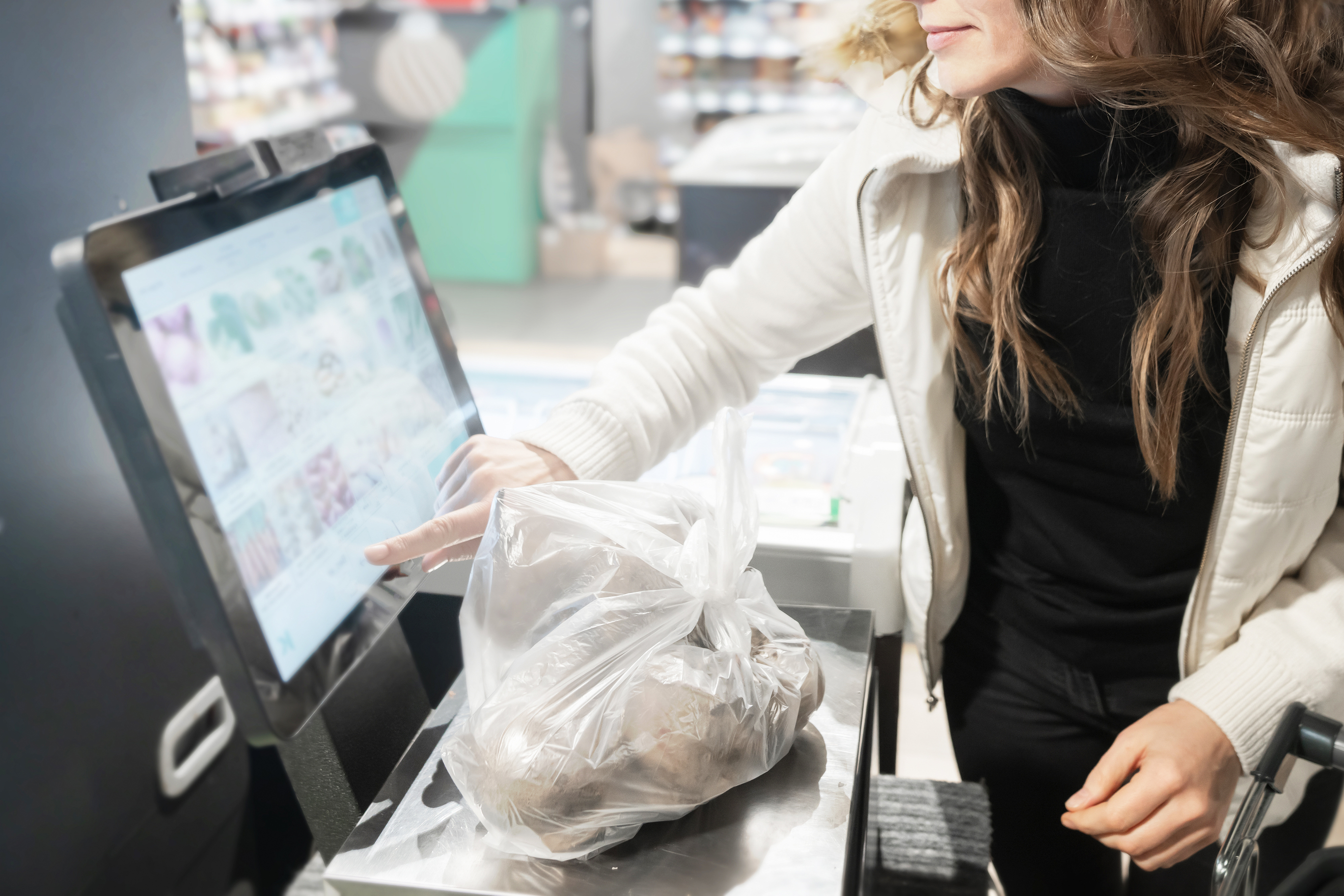
Self-checkout has become a standard feature in modern retail, offering speed and independence for shoppers who want to avoid long lines. However, what many people don't realize is that these systems are far more than simple payment stations. Behind the scenes, retailers use advanced surveillance technology, data tracking, and behavioral analysis to monitor every transaction. Cameras positioned above and around checkout lanes, weight sensors in bagging areas, and AI-driven software all work together to detect discrepancies such as missed scans, barcode mismatches, or items that don't match their expected weight. These systems don't just process purchases - they actively look for signs of theft in real time and store that data for later review.
What makes this especially concerning is how stores often handle suspected shoplifting. Rather than stopping someone immediately, retailers may quietly track incidents over time. Each missed scan or irregularity can be recorded and linked to a specific shopper through video footage, payment methods like credit cards, or loyalty accounts. Loss prevention teams can review this data, compile evidence, and build a case that shows a pattern of behavior. If enough discrepancies accumulate, the total value may eventually reach a legal threshold that triggers more serious consequences, including criminal charges. In some jurisdictions, that threshold can elevate a situation from a minor offense to a felony, even if each individual incident seemed insignificant on its own.
The real problem lies in how easily honest mistakes can be caught up in this system. Self-checkout shifts the responsibility of scanning and bagging entirely onto the customer, increasing the likelihood of simple human error. Forgetting to scan an item on the bottom of a cart, scanning something twice and trying to fix it, mislabeling produce, or being distracted while bagging groceries can all trigger alerts. From the system's perspective, a skipped scan looks the same whether it was intentional or accidental. When these small mistakes happen more than once, they can begin to resemble a pattern, especially when viewed through stored data rather than real-world context.
In some cases, these situations can escalate quickly and unexpectedly. A shopper who believes they have paid correctly may leave the store without realizing an error occurred, only to be flagged later. Because enforcement is sometimes delayed, individuals may be confronted about multiple past transactions at once rather than a single incident they can easily explain. Store employees or security personnel may approach the situation with the assumption that the behavior was intentional, relying on recorded footage and transaction logs as evidence. This can lead to uncomfortable confrontations, detainment, or even involvement from law enforcement, all stemming from what the shopper believed was a simple oversight.
Another factor that adds to the risk is the growing reliance on automation. As retailers continue to reduce staffed checkout lanes, customers are expected to take on more responsibility without always receiving clear guidance or support. At the same time, the systems monitoring them are becoming more precise and less forgiving. There is little room for error in an environment where every action is recorded, analyzed, and potentially stored indefinitely. Even something as minor as placing an item in a bag before it is scanned can trigger a system alert and draw attention.
Ultimately, self-checkout represents a shift not just in how we shop, but in how responsibility is assigned. Customers are expected to perform the role of cashier while also being monitored as potential suspects. The technology in place is highly effective at identifying discrepancies, but it does not always distinguish clearly between carelessness and intent. As a result, even careful shoppers can find themselves at risk if they are not paying close attention.
The takeaway is simple but important: self-checkout may be convenient, but it comes with hidden risks. Taking a few extra seconds to scan items carefully, double-check the screen, and review your receipt before leaving can help prevent issues. In a system where everything is recorded and analyzed, even small mistakes can carry consequences that extend far beyond the checkout lane.