The Legendary Lou Holtz
Written by Arbitrage • 2026-03-06 00:00:00
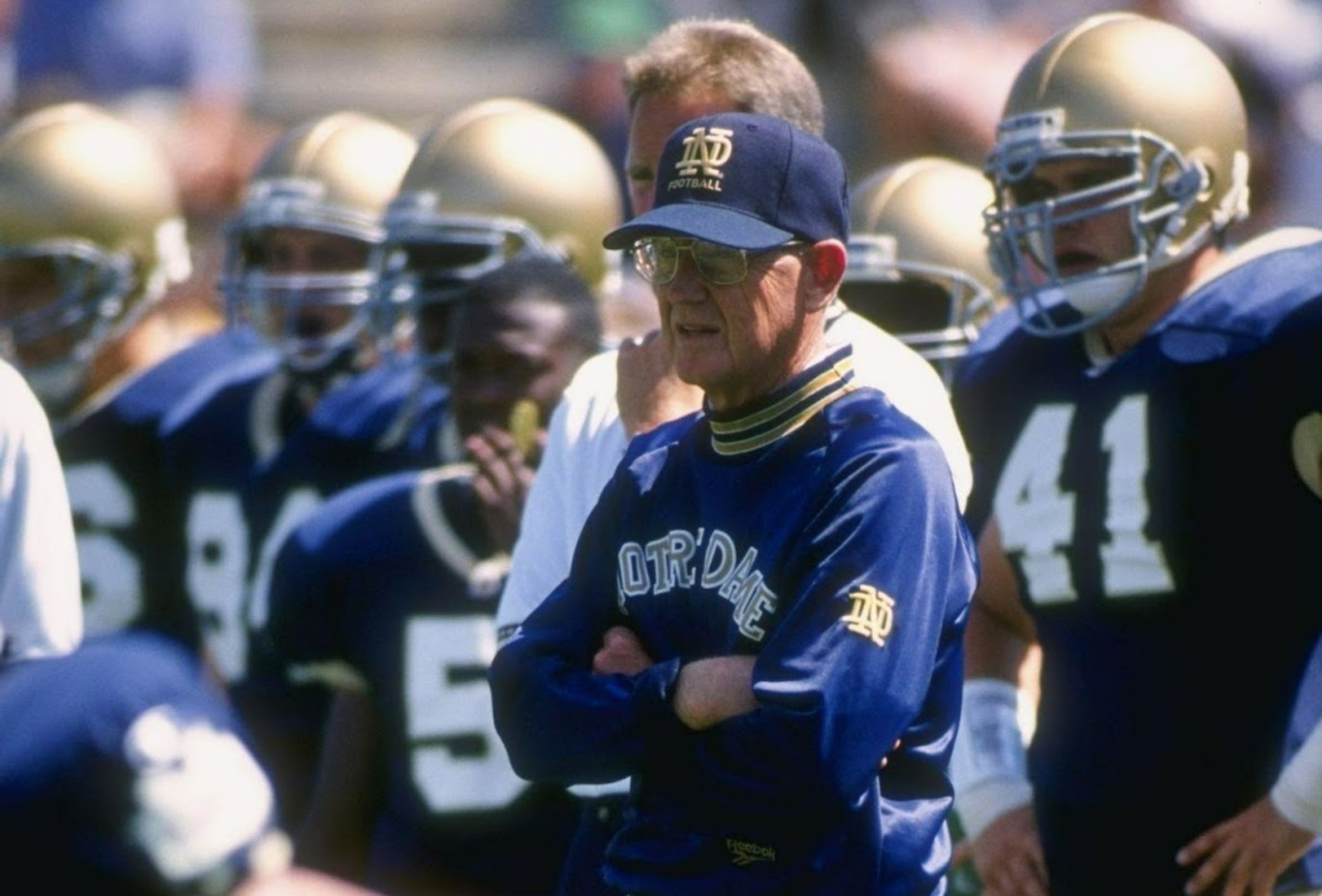
Few figures in college football have left a legacy as memorable and influential as Lou Holtz. Known for his fiery speeches, disciplined teams, and unmistakable voice, Holtz built a career that spanned decades and helped shape the culture of modern college football. His most famous tenure came at University of Notre Dame, where he restored one of the sport's most storied programs to national prominence and cemented his reputation as one of the game's great leaders.
Louis Leo Holtz was born on January 6, 1937, in West Virginia, and grew up in Ohio. Raised in a working-class family during the post-Depression era, Holtz developed a relentless work ethic early in life. Despite being considered undersized, he played linebacker at Kent State University, graduating in 1959. His modest playing career taught him the fundamentals of discipline and preparation that became hallmarks of his coaching philosophy.
Holtz began his coaching career as a graduate assistant at University of Iowa under legendary coach Forest Evashevski. Over the next two decades, he worked his way through the coaching ranks, taking positions at several programs while developing a reputation as a master motivator and strategist. His first major head-coaching opportunity came at College of William & Mary in 1969. Success followed quickly, and Holtz soon moved on to larger programs, including North Carolina State University and University of Arkansas. Holtz briefly ventured into the professional ranks as head coach of the New York Jets in 1976, but the transition proved difficult, and he resigned before completing the season. He later joked that coaching in the NFL taught him an important lesson: "God put me on this earth to coach college football." Returning to the college game, he revived the struggling program at University of Minnesota before receiving the opportunity that would define his career.
In 1986, Holtz became head coach at Notre Dame, a program rich in tradition but experiencing years of inconsistent performance. Notre Dame football carries enormous historical weight, having produced legends such as Knute Rockne and Ara Parseghian. When Holtz arrived, expectations were immense. He immediately implemented strict standards, emphasizing academic accountability, mental toughness, and team unity. His results were dramatic and within two seasons, Notre Dame returned to national prominence.
Holtz's crowning achievement came during the 1988 season when Notre Dame completed a perfect 12-0 record and captured the national championship. The defining moment of that season was a dramatic victory over the powerful University of Miami Hurricanes in a game widely remembered as "Catholics vs. Convicts," reflecting the intense rivalry and cultural contrast between the teams. Notre Dame later defeated West Virginia University in the Fiesta Bowl to secure the national title. The championship remains the most recent for Notre Dame football, making Holtz's accomplishment even more significant in the program's history.
Throughout his 11 seasons as a Notre Dame Fighting Irish, Holtz compiled a record of 100-30-2 and led the team to nine consecutive bowl appearances. His teams won several major bowl games and consistently ranked among the top programs in the country. Beyond the wins and championships, Holtz became known for his leadership style. He believed that success in football - and in life - came from preparation, accountability, and attitude. One of his most famous principles was that people must "do what's right, do the best you can, and treat others as you would want to be treated."
In recognition of his accomplishments and impact on the sport, Holtz was inducted into the College Football Hall of Fame in 2008. After leaving coaching, he remained a prominent voice in the sport as a television analyst and motivational speaker. His colorful personality and passionate love for college football helped make him a popular figure with fans across generations.
Lou Holtz's legacy extends far beyond the scoreboard. Many of his former players speak about the life lessons they learned under his leadership, often recalling his insistence on integrity, personal responsibility, and perseverance. For Notre Dame fans in particular, Holtz represents a golden era of Fighting Irish football - one defined by discipline, belief, and championship success. Decades after his greatest victories, his influence continues to echo throughout the sport, reminding players and coaches alike that leadership and character are just as important as talent.