Effective Strategies for Allergy Season
Written by Arbitrage • 2026-03-30 00:00:00
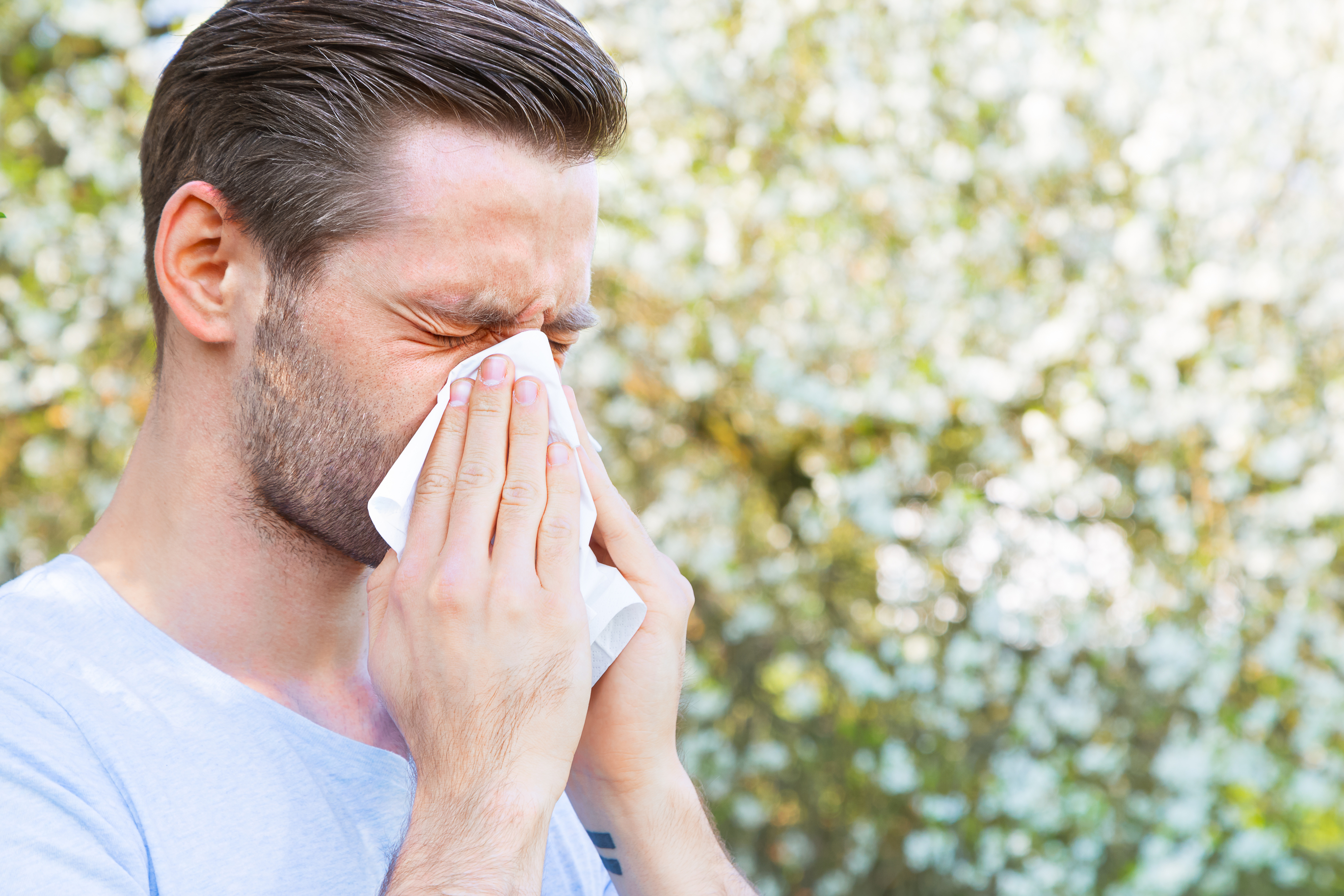
Springtime allergies, often triggered by tree, grass, and weed pollens, affect a substantial portion of the population each year, with estimates suggesting that roughly one in four adults in the United States experiences seasonal allergic rhinitis. The symptoms (including sneezing, nasal congestion, itchy eyes, and fatigue) are the result of an immune system overreaction to otherwise harmless airborne particles. While there is no permanent "cure" for seasonal allergies in the traditional sense, medical research and clinical practice have identified several highly effective strategies to control symptoms, reduce severity, and in some cases, modify the body's long-term response to allergens.
The foundation of most allergy treatment plans begins with pharmacotherapy, particularly antihistamines and intranasal corticosteroids. Clinical data shows that oral antihistamines are used in approximately 57% of patients, while intranasal corticosteroids are used by about 53% of patients, underscoring their role as first-line therapies. Antihistamines work by blocking histamine (the chemical responsible for many allergy symptoms) and are known for their rapid onset of action, often providing relief within an hour. Newer, second-generation antihistamines such as cetirizine and loratadine are especially favored by allergists because they minimize side effects like drowsiness while effectively controlling mild to moderate symptoms. For patients with more severe or persistent symptoms, intranasal corticosteroids are considered the most effective standalone treatment because they reduce inflammation directly within the nasal passages, addressing the root cause of congestion and irritation rather than simply masking symptoms. Allergist Dr. Zachary Rubin noted, "Allergy medications work best preventively, not reactively. If you wait until you're already congested, itchy, and exhausted, you're playing catch-up because the inflammation has already started and it's more difficult to stop."
Beyond medications, allergen avoidance remains a critical though often underestimated component of treatment. Allergists routinely advise minimizing exposure during peak pollen times, such as early mornings, and using high-efficiency particulate air (HEPA) filters indoors to reduce airborne allergens. While these strategies may seem basic, they are supported by clinical guidance as part of a multi-layered approach that combines environmental control with medication. Physicians often emphasize that even the most effective drugs will have limited impact if exposure remains constant, making lifestyle adjustments a key variable in overall treatment success.
For individuals seeking longer-term relief, allergen immunotherapy - commonly known as allergy shots or sublingual tablets - represents one of the most effective and scientifically supported interventions. Unlike medications that primarily suppress symptoms, immunotherapy works by gradually retraining the immune system to tolerate allergens. Research indicates that between approximately 80% and 90% of patients experience significant improvement with immunotherapy, and many see a reduced need for medications over time. The therapy has also been shown to provide sustained benefits, with studies demonstrating long-term reductions in symptoms and medication use even years after treatment ends. According to allergy specialists, this makes immunotherapy the closest option to a "disease-modifying" treatment currently available. As one allergist explained in clinical guidance, immunotherapy "builds tolerance" rather than simply blocking reactions, allowing the immune system to respond more appropriately to allergens over time. However, it requires a significant commitment, often involving regular treatments over three to five years, which can limit its accessibility for some patients.
Emerging approaches and adjunct therapies are also gaining attention, though with more limited evidence. Nasal irrigation, for example, is frequently recommended by healthcare providers as a supportive treatment to physically remove allergens from nasal passages and reduce irritation. If you decide to try nasal irrigation, Dr. Rubin reminds patients to always use distilled water; never use tap water unless it has been previously boiled. Meanwhile, many popular "natural" remedies such as local honey or herbal supplements lack strong scientific backing. Allergy experts consistently caution that while some supplements may offer mild relief, the data supporting their effectiveness is inconsistent, and in some cases, these remedies may even trigger adverse reactions. This reinforces a broader consensus within the medical community: treatments grounded in immunology and pharmacology remain the most reliable options.
Ultimately, the most effective way to treat springtime allergies is through a layered strategy, with a tailored treatment plan based on symptom severity and patient lifestyle. For many patients, the combination of daily antihistamines, consistent use of nasal corticosteroids, and environmental controls provides substantial relief. For others with more persistent or debilitating symptoms, immunotherapy offers a pathway to lasting improvement. As research continues to refine these approaches, the outlook for allergy sufferers is steadily improving, with more personalized and effective treatment options than ever before.