Is $100 the Tipping Point?
Written by Arbitrage • 2026-03-16 00:00:00
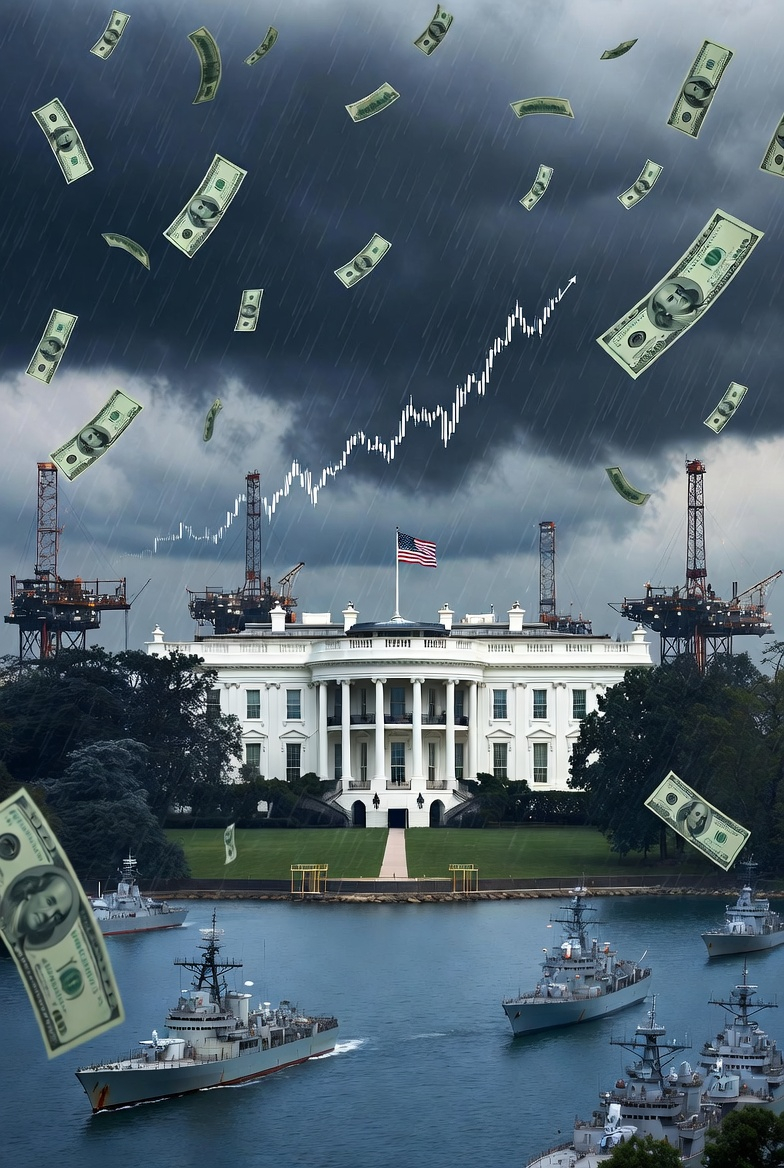
The last time the US Dollar Index (DXY), WTI Crude Oil, and Brent Crude Oil were all simultaneously above $100 was in 2022, during a period spanning approximately April to July. This overlap occurred amid the initial stages of the Russia-Ukraine war, which drove oil prices higher due to supply disruptions and sanctions, while the DXY rose on the back of aggressive Federal Reserve rate hikes to combat inflation.
Significance This rare combination signals a confluence of geopolitical risks, energy market volatility, and monetary policy tightening. Historically, high oil prices (above $100) and a strong dollar (DXY >100) have been inversely correlated because rising energy costs typically weaken the dollar for oil-importing economies. However, since the US became a net oil exporter around 2019 (thanks to the shale boom), the relationship has shifted - the US economy benefits more from high oil prices, supporting dollar strength. In 2022, this dynamic highlighted US economic resilience relative to Europe and emerging markets, which were more vulnerable to energy shocks.
Possible Bad Things for the Global Economy
- Inflation Surge: High oil prices feed into broader cost-push inflation, raising transportation, manufacturing, and food costs. This can force central banks to keep interest rates elevated longer, delaying rate cuts and stifling recovery.
- Slowed Growth and Recession Risk: Expensive energy reduces consumer and business spending, particularly in oil-importing regions like Europe and Asia. Combined with a strong dollar, it exacerbates debt burdens in emerging markets (many of which borrow in USD), potentially triggering financial crises or defaults.
- Stagflation Scenario: If growth weakens while inflation persists, it could lead to stagflation - a toxic mix of stagnant output and high prices, as seen in the 1970s oil shocks.
- Trade Imbalances: A strong dollar makes US exports less competitive, widening trade deficits, while hurting commodity exporters (e.g., Russia, Saudi Arabia) and amplifying global supply chain disruptions.
- Geopolitical Instability: Sustained high oil prices can fuel tensions in oil-producing regions, leading to further supply shocks or conflicts that ripple through global markets.
If this combination recurs (as hinted in recent 2026 market volatility), it could amplify these risks in an already fragile post-pandemic economy. It was quite fitting that the oil prices and intensification of the War in Iran escalated after market close Friday - yes, the 13th - and 2 days before the Ides of March. Beware!