The Digital Transformation of Retail: From Price Tags to Smart Stores
Written by Arbitrage • 2026-04-20 00:00:00
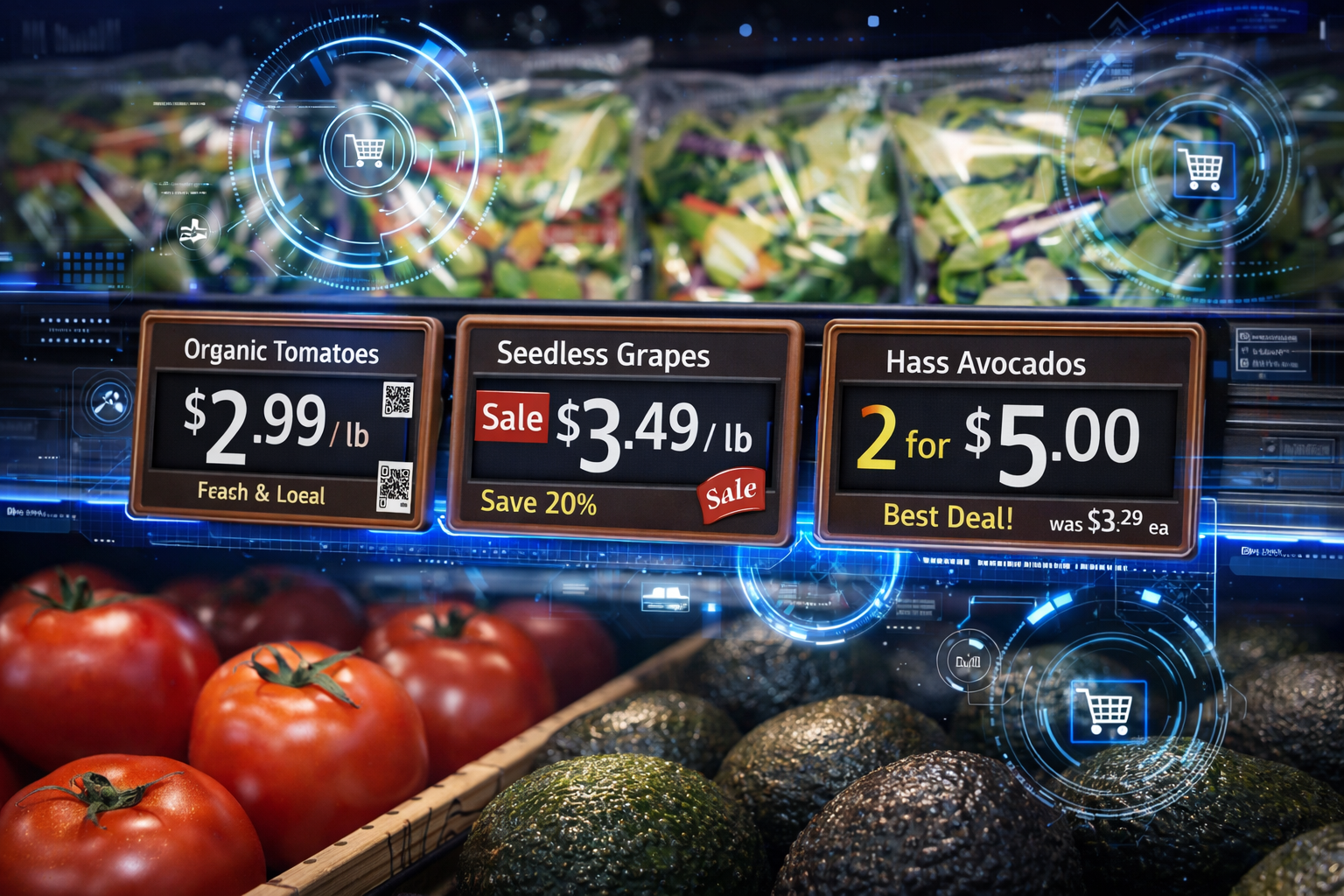
The retail industry is undergoing one of its most profound transformations in decades. What once relied on paper price tags, manual inventory checks, and static pricing models is rapidly evolving into a highly dynamic, data-driven ecosystem. A recent example, Walmart's plan to roll out digital price tags across all United States stores by the end of 2026, illustrates how technology is reshaping the in-store experience.
Retail environments are no longer just physical spaces where transactions occur. They are becoming intelligent systems powered by software, data, and automation.
The Rise of Smart Shelves
At the center of this transformation are digital shelf labels, small electronic displays that replace traditional paper price tags. These labels allow employees to update prices instantly using centralized systems, eliminating the need for manual label replacement. This shift has significant operational benefits. Price updates that once required hours or even days can now be completed in minutes. Accuracy improves because discrepancies between shelf prices and checkout systems are reduced. Employees are also freed from repetitive administrative tasks and can focus more on customer service and store operations. What appears to be a simple upgrade is actually a foundational step toward a more responsive and efficient retail environment.
Real-Time Retail Operations
The adoption of digital shelf labels reflects a broader shift toward real-time retail operations. Retailers can now manage pricing, promotions, and inventory across thousands of locations simultaneously through centralized platforms. This creates a more agile business model. Promotions can be launched instantly across entire store networks. Inventory data can synchronize with online systems in real time. Pricing strategies can be adjusted more quickly in response to market conditions. While many retailers emphasize consistency in pricing, the underlying infrastructure introduces the capability for more flexible and adaptive pricing strategies in the future.
The Role of Artificial Intelligence
Beyond digital displays, retailers are increasingly integrating artificial intelligence into their operations. These systems analyze large volumes of data to identify trends, forecast demand, and recommend pricing or merchandising decisions. This adds a new layer of intelligence to retail environments. Predictive analytics can help stores anticipate customer needs. Automated systems can assist with pricing decisions at scale. Merchandising can become more data driven and precise. Retail is shifting from a reactive model to a predictive one, where decisions are informed by continuous streams of data.
Customer Experience in a Digital Store
For customers, the expansion of technology in retail offers several advantages. Pricing becomes more accurate. Shelves are restocked more efficiently. The gap between online and in-store experiences continues to shrink. Digital systems can also support employees in fulfilling online orders, locating products more quickly, and maintaining better overall store organization. The result is a smoother and more consistent shopping experience. At the same time, increased technological complexity can raise questions for consumers. As pricing systems become more advanced, customers may become more curious about how prices are set and whether they remain consistent.
Trust and Transparency
The growing use of digital pricing systems has sparked conversations about transparency and fairness. The same technology that enables efficiency also makes it technically possible to adjust prices more frequently. This raises important questions about consumer trust. Customers expect pricing to be clear, consistent, and fair. Retailers must ensure that technological advancements do not undermine those expectations. Balancing innovation with transparency will be essential as digital systems become more deeply embedded in retail operations.
A Broader Industry Shift
The movement toward technology driven retail is not limited to a single company. Across the industry, retailers are investing in digital infrastructure, automation, and data analytics. This signals the emergence of the smart store. Shelves, inventory systems, and checkout processes are becoming interconnected. Physical and digital retail channels are merging into a single, unified experience. Retail is no longer defined solely by location. It is defined by connectivity, data, and the ability to respond quickly to change.
Looking Ahead
The expansion of technology in retail environments is likely to accelerate in the coming years. Digital shelf labels represent only one step in a much larger transformation. Future developments may include more advanced artificial intelligence, increased automation, and deeper integration between online and physical retail. Stores will continue to evolve into highly efficient, data driven systems. The challenge for retailers will be to use these tools responsibly. Efficiency and innovation must be balanced with fairness, transparency, and customer trust.
Conclusion
The transition from paper price tags to digital displays may seem incremental, but it reflects a deeper shift in how retail operates. Stores are becoming smarter, faster, and more adaptive. As technology continues to expand, retail environments will increasingly function as intelligent ecosystems. The future of retail will not simply be about selling products. It will be about delivering seamless, responsive, and trustworthy experiences powered by technology.