Kratom: What It Is, Why People Use It, and Why States Like Tennessee Are Moving to Ban It
Written by Arbitrage • 2026-05-22 00:00:00
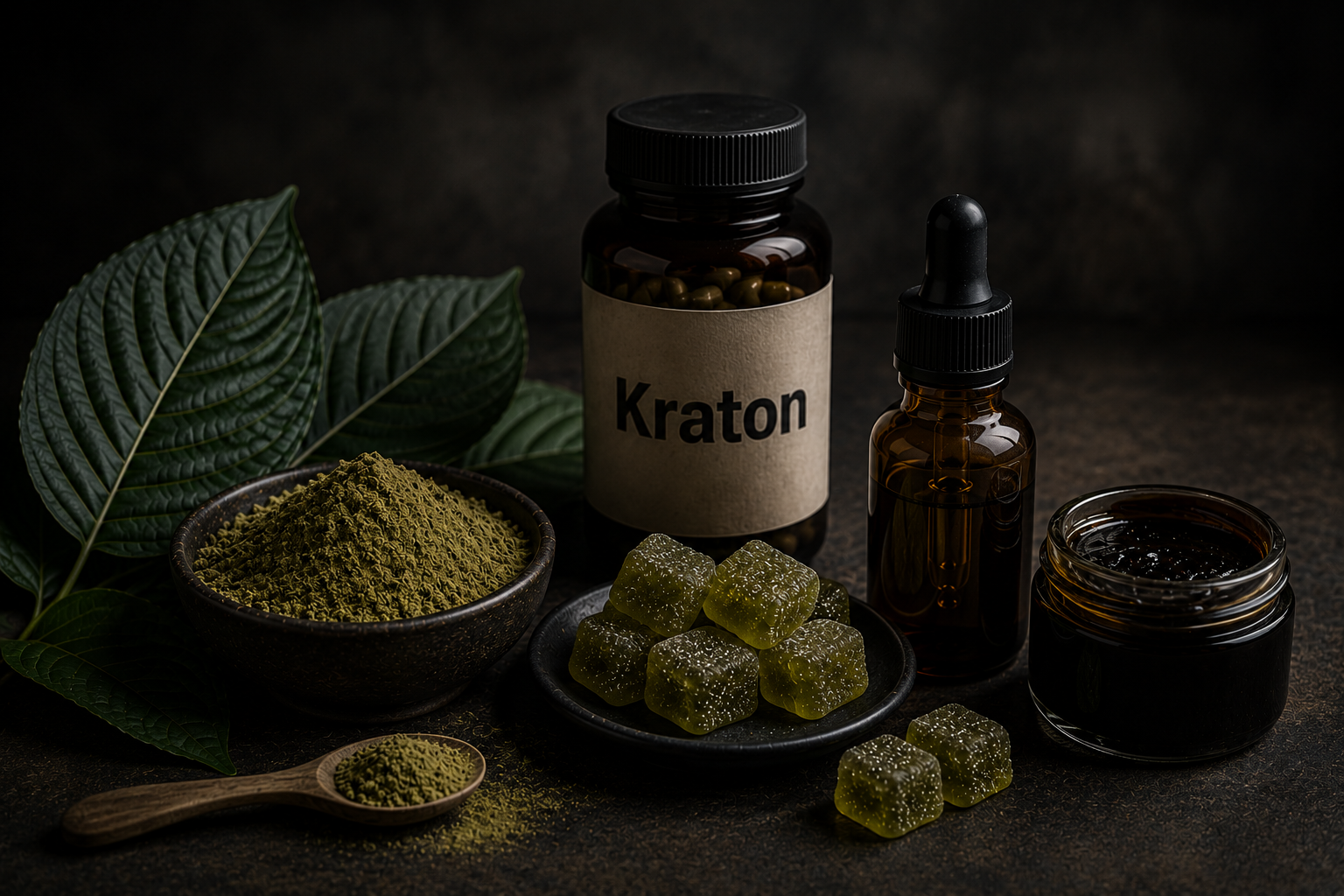
Kratom has rapidly grown in popularity across the United States over the last decade. Once considered a relatively obscure herbal product from Southeast Asia, it is now commonly sold in smoke shops, vape stores, gas stations, and online marketplaces. Supporters describe it as a natural remedy for pain, anxiety, fatigue, and opioid withdrawal, while critics warn that it can be addictive and dangerous. As its use has expanded, so has the controversy surrounding it, leading several states, including Tennessee, to pursue aggressive restrictions and outright bans.
Kratom comes from the leaves of the Mitragyna speciosa tree, which grows naturally in countries such as Thailand, Indonesia, and Malaysia. Traditionally, laborers in Southeast Asia chewed the leaves or brewed them into tea to fight fatigue and increase energy during long workdays. In the United States, kratom is typically sold in powder form, capsules, gummies, liquid shots, and highly concentrated extracts. Its effects vary depending on the dosage. Lower amounts can act as a stimulant, increasing alertness and energy, while larger doses may produce sedative and opioid-like effects.
Many people who use kratom believe it offers benefits that traditional medications do not. Some take it to manage chronic pain conditions, while others use it to cope with anxiety or depression. One of the most common reasons people turn to kratom is to help reduce opioid withdrawal symptoms. Former opioid users often describe kratom as a "safer" alternative to prescription painkillers or heroin. This has created a loyal community of supporters who argue that kratom should remain legal and regulated rather than criminalized.
Despite those claims, medical professionals and addiction specialists continue to raise serious concerns about kratom's safety. Although it is marketed as a natural product, kratom can still have powerful effects on the body and brain. The active compounds in kratom interact with opioid receptors, which means repeated use can lead to dependence and addiction. Some users develop a tolerance over time, requiring larger doses to achieve the same effects. Others experience withdrawal symptoms when they try to stop using it, including anxiety, insomnia, muscle aches, sweating, depression, and intense cravings.
Health officials have also warned about the risks associated with highly concentrated kratom extracts, which are often far more potent than traditional kratom powder. In some cases, users have reported seizures, liver damage, rapid heart rate, nausea, and respiratory problems. Another major concern is the lack of oversight in the industry. Because kratom products are not federally regulated like prescription medications, some products may contain contaminants, heavy metals, or inaccurate ingredient labeling. Consumers often have little way of knowing exactly what they are taking or how strong it may be.
These growing concerns have led lawmakers in several states to reconsider kratom's legal status. Tennessee has emerged as one of the most aggressive states in the country when it comes to cracking down on kratom. State lawmakers have pushed legislation aimed at banning the sale and possession of the substance, citing addiction concerns, public health risks, and overdose reports. Supporters of the legislation argue that kratom is being sold too freely in convenience stores and smoke shops without proper safeguards or consumer protections.
At the same time, opponents of a ban argue that criminalizing kratom could create unintended consequences. Some advocates believe people who currently rely on kratom to avoid opioids may return to more dangerous substances such as fentanyl or illicit painkillers if kratom becomes unavailable. Others argue that regulation - including age restrictions, product testing, labeling requirements, and potency limits - would be a more balanced approach than a full prohibition.
The debate in Tennessee reflects a much larger national conversation. Across the country, lawmakers are struggling to determine whether kratom should be treated as a dangerous controlled substance or regulated as a consumer product. Some states have moved toward bans, while others have adopted consumer protection laws designed to regulate purity and safety standards without outlawing the substance entirely.
What makes kratom especially controversial is that there are strong personal stories on both sides of the issue. Some users credit it with helping them regain control of their lives, manage chronic pain, or escape opioid addiction. Others describe severe dependency problems, frightening health complications, and painful withdrawal experiences. Because scientific research on kratom remains limited compared to traditional pharmaceuticals, much of the public debate continues to rely on personal testimony, emerging medical data, and growing concern from public health officials.
As Tennessee and other states continue to tighten restrictions, kratom's future in the United States remains uncertain. What is clear, however, is that kratom is no longer a niche herbal supplement flying under the radar. It has become a major public health and policy issue, sitting at the intersection of addiction, pain management, regulation, and personal freedom.