The Wild Horses of Carova Beach: A Living Piece of Coastal History
Written by Arbitrage • 2026-05-01 00:00:00
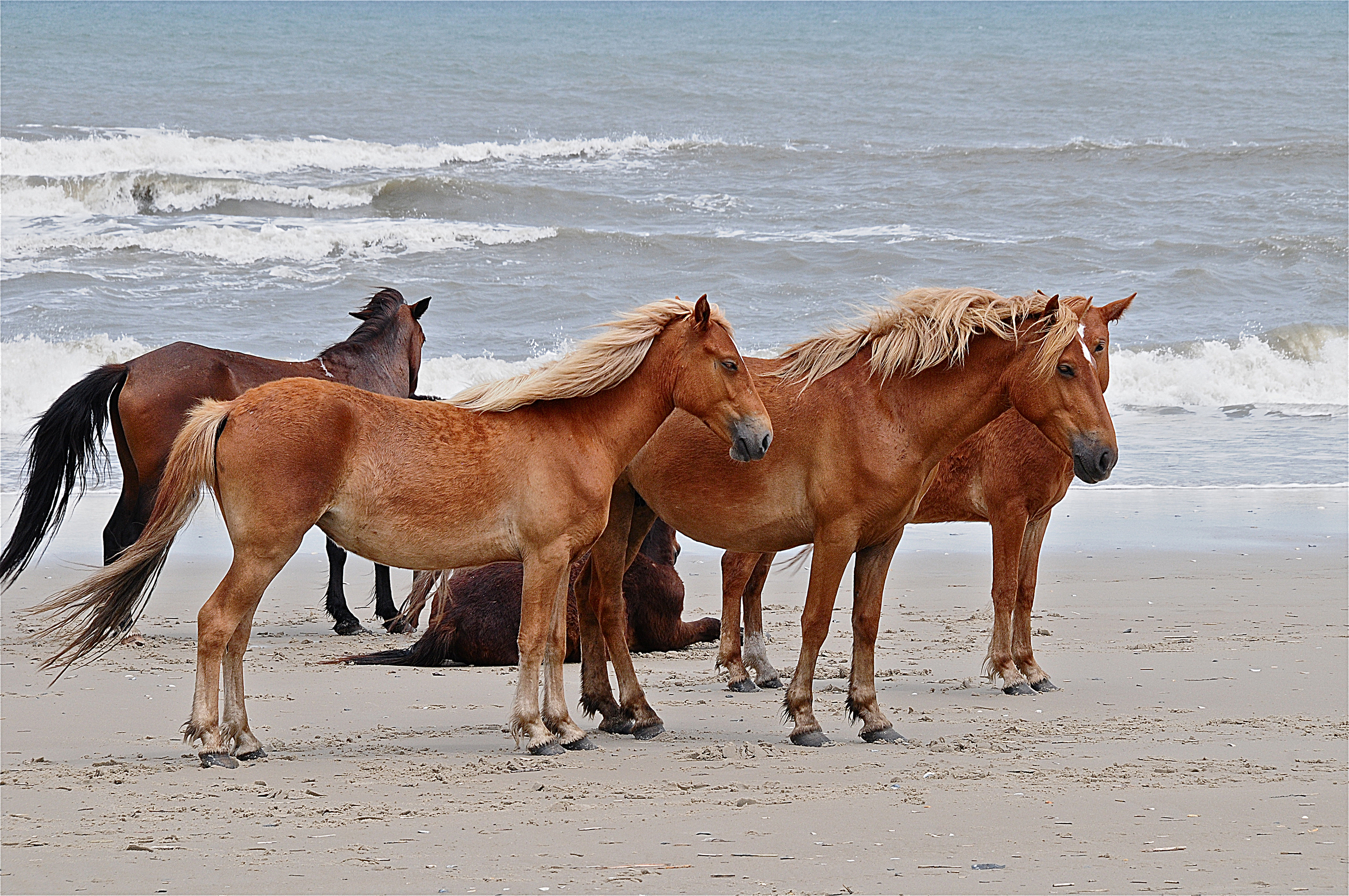
Along the remote northern stretch of North Carolina's Outer Banks, beyond paved roads and busy towns, a herd of wild horses continues to roam freely across the sand dunes and maritime forests of Carova Beach. These horses, often referred to as the Corolla wild horses, have become one of the most recognizable symbols of the region's natural heritage and a reminder of the history that shaped the Outer Banks.
A Legacy That May Date Back Centuries
Historians believe the ancestors of the Carova Beach horses arrived on the Outer Banks hundreds of years ago, possibly brought by early Spanish explorers in the 1500s. Some historians suggest the horses may have survived shipwrecks along the treacherous North Carolina coast, often called the "Graveyard of the Atlantic."
Over generations, the horses adapted to the barrier island environment. Living among shifting dunes, salty winds, and limited fresh water, the herd gradually developed traits that allow it to survive in a challenging coastal landscape. Today, they are considered descendants of the Spanish mustang, a rare breed known for its hardiness and endurance.
Life on the Barrier Islands
The horses that roam Carova Beach have learned to thrive in a place where survival is never guaranteed. Unlike domesticated horses, these animals rely entirely on natural resources for food and water. Their diet consists mostly of sea oats, marsh grasses, and other coastal vegetation. Fresh water can be scarce on the barrier islands, so the horses often rely on small freshwater pools formed by rain or underground sources. Despite harsh conditions, the herd has sustained itself for centuries through natural adaptation and careful conservation efforts.
Protecting a Historic Herd
As tourism and development increased along the Outer Banks during the twentieth century, concerns grew about the future of the wild horses. Increased vehicle traffic, habitat loss, and human interaction posed serious risks to the herd. In response, conservation groups formed to protect and manage the horses. Today, organizations such as the Corolla Wild Horse Fund work to monitor the herd, protect their habitat, and educate visitors about responsible viewing practices. These efforts include population management, veterinary care when necessary, and the protection of the coastal lands where the horses live.
Respecting Wildlife from a Distance
One of the most important lessons visitors learn when encountering the Carova horses is that they are truly wild animals. While they may appear calm or accustomed to human presence, approaching or feeding them can harm both the horses and nearby people. Local guidelines encourage visitors to stay at least 50 feet away and avoid disturbing the herd. These precautions help ensure that the horses remain healthy and able to live naturally within their environment. Responsible tourism has become a key part of preserving the herd for future generations. Regular tram tours are available for visitors to enjoy safely from the beach.
A Symbol of Resilience
The wild horses of Carova Beach represent more than just a scenic attraction. They embody resilience, adaptation, and the enduring relationship between nature and history along the Outer Banks. For centuries, these animals have survived storms, changing coastlines, and the pressures of modern development. Their continued presence serves as a reminder that even in a rapidly changing world, some traditions of the natural landscape can still endure.
For visitors and locals alike, seeing a small herd of horses walking quietly along the dunes is not just a memorable sight; it is a living connection to the past.