Ancient Rhythms, Modern Life: Why Natural Cycles Still Matter
Written by Arbitrage • 2026-05-29 00:00:00
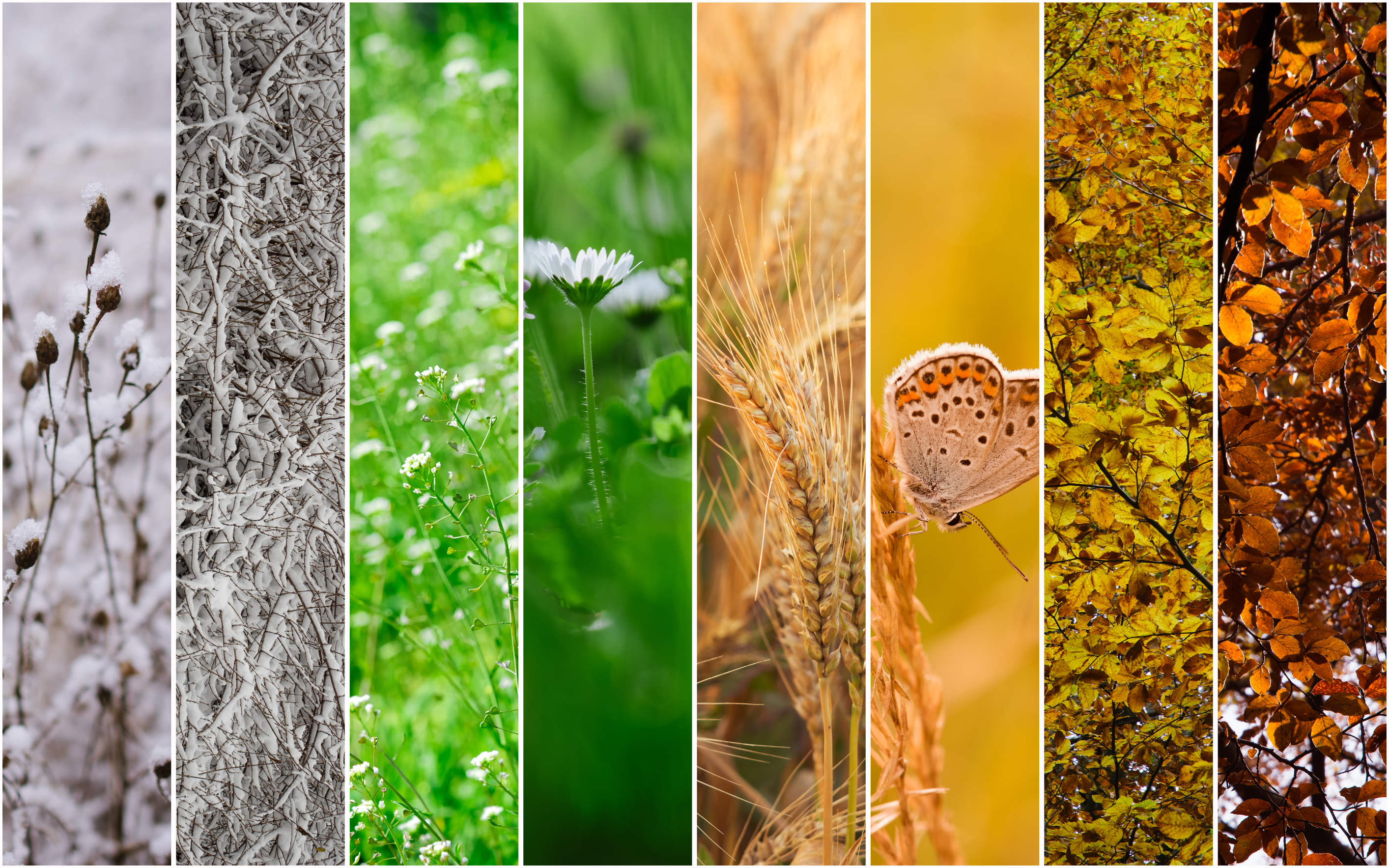
Long before calendars, forecasts, and digital reminders, people relied on something far more consistent: the natural world. The movement of the sun, the pull of the tides, the direction of the wind, and the subtle shifts in temperature all served as guides for planting, harvesting, traveling, and preparing for what came next. Today, much of that awareness has been replaced by technology. But the rhythms themselves haven't disappeared; they're still there, quietly shaping the environment around us. Learning to reconnect with them can bring clarity, preparedness, and a deeper sense of alignment in daily life.
The Seasons Don't Start on a Calendar
Modern calendars divide the year into neat quarters, but nature rarely follows those exact dates. The true transition of seasons is better observed through environmental signals such as the angle and intensity of sunlight shift throughout the day, changes in soil temperature rather than air temperature, and the return or absence of certain plants, insects, and animals. These indicators often provide more accurate timing for planting and preparation than a fixed date. For gardeners, this can mean the difference between a thriving crop and one that struggles.
The Sun as a Daily Guide
The sun is one of the most reliable tools we have for understanding time, energy, and growth cycles. Longer daylight hours signal active growth periods, while shorter days indicate a time to conserve, harvest, and prepare. The position of the sun can guide where to plant crops for optimal exposure. By observing sunlight patterns, gardeners can plan layouts more effectively and align tasks with the day's natural energy.
Wind and Weather Patterns
Wind is more than just a passing condition; it carries information. Consistent wind directions can signal incoming weather patterns, while strong seasonal winds may indicate shifts in temperature or storms. Wind exposure affects soil moisture and plant resilience. Understanding local wind behavior allows for better plant placement, protection of delicate crops, and smarter planning for outdoor events.
Tides and Lunar Influence
While often associated with the ocean, tidal and lunar cycles also influence land in subtle but meaningful ways. For example, the moon's phases can affect moisture levels in soil. Certain planting traditions align with waxing and waning moon cycles. Coastal regions, in particular, benefit from understanding tide timing for agriculture and resource planning. Even if not followed strictly, these patterns encourage a more attentive and intentional approach to timing.
Gardening as a Practice of Observation
A successful garden is not built on rigid schedules; it's built on awareness. Instead of asking, "What date should I plant this?" the better question becomes, "What is the environment telling me right now?" Is the soil warm enough? Has the last frost truly passed? Are pollinators beginning to appear? These observations create a feedback loop, allowing each season to inform the next.
Planning Beyond the Garden
These natural cues extend far beyond planting. They can influence how we approach daily life and long-term planning. Preparing for seasonal changes in energy levels and productivity. Scheduling events with an awareness of weather patterns and daylight. Building routines that align with periods of growth and rest. When decisions are made in alignment with natural cycles, they tend to feel less forced and more sustainable.
Relearning What We Already Know
Modern tools are valuable, but they can distance us from the signals that have guided people for generations. Reconnecting with these older methods doesn't mean rejecting technology; it means adding another layer of awareness. It's about slowing down enough to notice patterns, such as the way the air changes before rain, the subtle warmth that signals true spring, and the quiet stillness that marks the transition into winter. These cues are always present. They simply require attention.
Living in Rhythm with Nature
Nature operates on rhythms, not deadlines. Whether tending a garden or organizing daily life, aligning with these patterns creates resilience. It replaces guesswork with awareness and urgency with timing. The tools may be ancient, but their value is as relevant as ever.