The Blind Box Boom
Written by Arbitrage • 2026-05-14 00:00:00
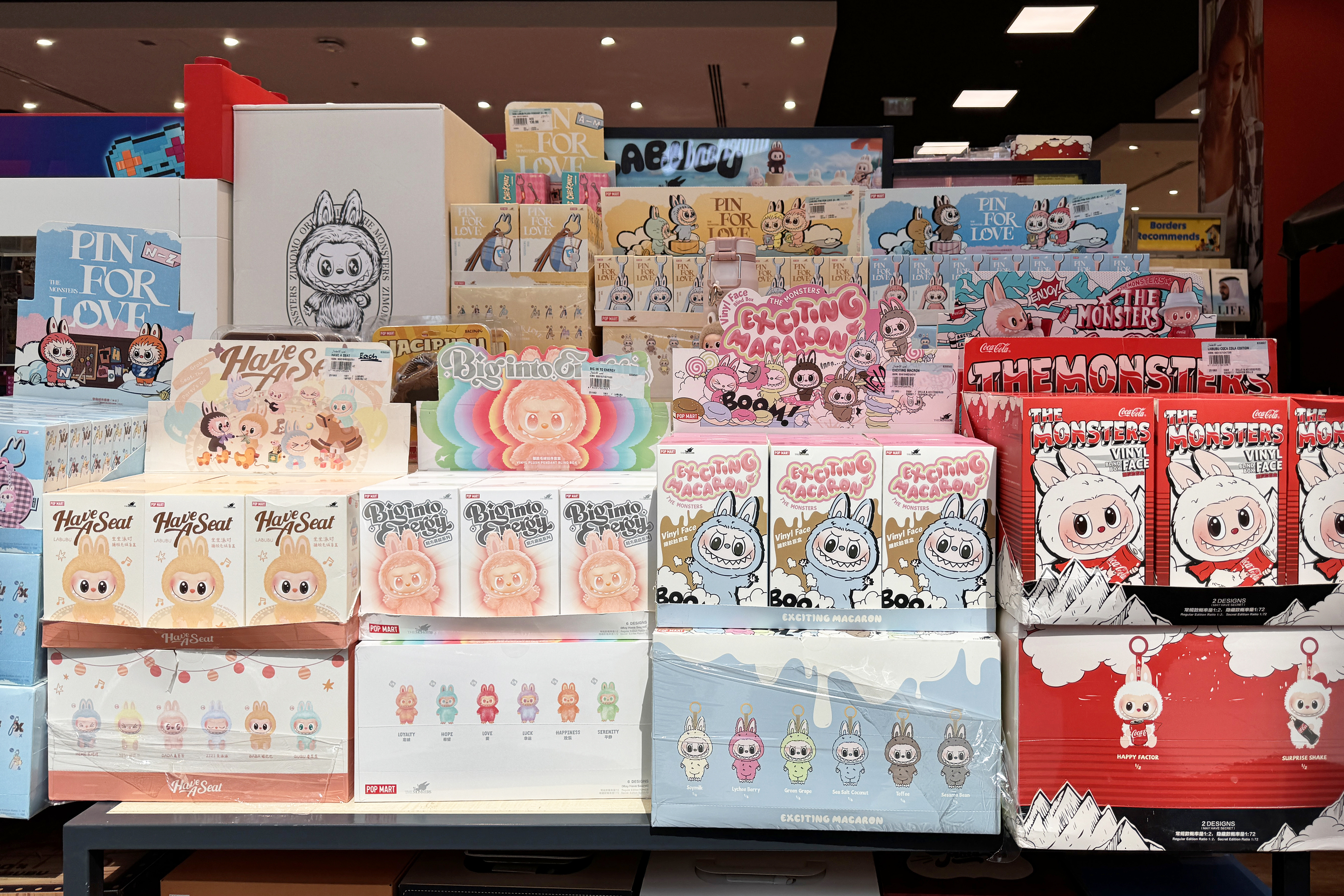
Blind boxes have gone from niche collectibles to a global retail phenomenon, turning surprise-based shopping into a multibillion-dollar business. Blind boxes are sealed packages containing a random item from a themed collection. Buyers know the general series they are purchasing from, but they do not know which specific figure, toy, accessory, or collectible they will receive until the package is opened. This model has become a highly addictive consumer experience, expanding into mainstream retail, fashion, beauty products, food promotions, and even grocery store merchandise.
The concept itself is not entirely new. Japan popularized "gashapon" capsule toy machines decades ago, and trading card packs have long relied on surprise mechanics. But modern blind boxes evolved the idea into a lifestyle brand experience. Companies like Pop Mart transformed blind boxes into highly stylized collectible ecosystems centered around designer characters and limited-edition releases. Pop Mart's Labubu and Molly characters became global sensations, helped by influencer culture and viral "unboxing" videos across platforms such as TikTok, Instagram, and YouTube. According to Reuters, Pop Mart reported a 204.4% increase in revenue during the first half of 2025, driven largely by blind-box collectible demand. The company now operates hundreds of stores and thousands of vending-style "robot shops" worldwide.
The economic scale of blind boxes has exploded. Multiple market research firms now estimate the global blind box market at well over $14 billion annually. Several industry reports projected the market at between $14.7 billion and $16.8 billion in 2025, with expectations of surpassing $25 billion by 2034. These numbers illustrate how blind boxes are no longer just toys for collectors; they have become a major retail category with global reach.
A major reason for their popularity is psychological because blind boxes tap directly into anticipation and uncertainty. Researchers studying consumer behavior around blind boxes found that uncertainty itself increases emotional engagement and perceived value. The appeal is not only about the item itself, but the excitement of possibly obtaining a rare or "hidden" figure. Some collections intentionally include ultra-rare variants that may appear only once in dozens or even hundreds of boxes, encouraging repeat purchases. This has made blind boxes especially popular with younger consumers, particularly Generation Z and younger millennials. Researchers studying Gen Z purchasing behavior found that surprise, collectability, emotional connection, and social sharing all played major roles in the trend's growth.
Social media has accelerated the blind box craze dramatically. TikTok and YouTube creators routinely generate millions of views through blind-box unboxing content, where the suspense of the reveal becomes entertainment itself. Harvard Business Review noted that Pop Mart successfully capitalized on today's "fragmented attention economy" by creating collectible experiences designed for social engagement and repeat interaction. The format works especially well online because every purchase creates a mini-story with suspense, disappointment, excitement, or surprise. That emotional unpredictability keeps viewers engaged and thus encourages more purchases.
Critics and researchers have raised concerns about how closely blind boxes resemble gambling mechanics. Because consumers repeatedly spend money chasing rare items with uncertain odds, some experts argue the business model exploits reward psychology in ways similar to loot boxes in video games. One academic study examining blind-box behavior among younger consumers found links between excessive blind-box engagement and mental health risks. Researchers and consumer advocates have increasingly questioned whether the model should face tighter regulation, especially when marketed heavily toward children and teenagers.
Still, the blind-box industry shows little sign of slowing down. Limited-edition releases continue selling out within minutes, resale markets for rare figures remain active, and global expansion is accelerating. What makes blind boxes so powerful is that they combine several modern consumer trends at once: collectibles culture, social media virality, emotional retail experiences, fandom communities, and the psychology of surprise. In many ways, blind boxes are less about the products themselves and more about the experience surrounding them.