Wearable Tech: Your Health and Your Privacy
Written by Arbitrage • 2026-07-31 00:00:00
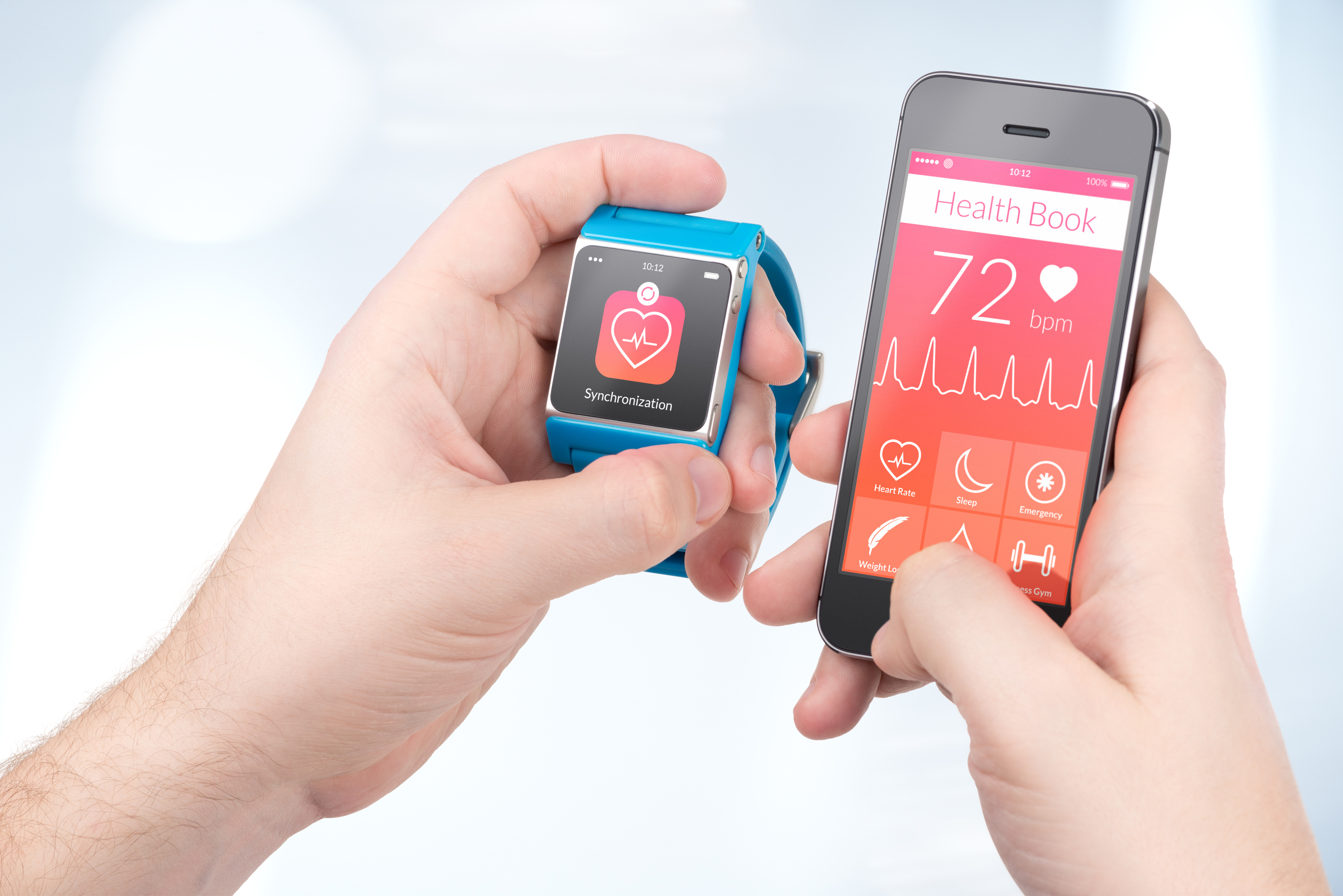
Wearable fitness devices have evolved from simple step counters to sophisticated health companions capable of tracking heart rate, sleep quality, blood oxygen levels, stress, activity, and even irregular heart rhythms. Smartwatches and fitness trackers from companies such as Apple, Garmin, Fitbit, Samsung, and Oura have become mainstream, with nearly one-third of Americans using some form of wearable health device. Researchers have found that the primary reasons people purchase these devices are to improve physical activity, fitness training, weight management, and overall wellness. JMIR reports that wearable devices are changing how consumers think about preventive health while also raising important questions about privacy and data security.
For many users, the benefits are substantial. Numerous studies have shown that wearable devices can encourage people to move more, exercise more consistently, and become more aware of their overall health. Seeing daily step counts, heart rate trends, or sleep patterns often motivates users to make healthier choices that might otherwise go unnoticed. Many physicians also recognize the value of wearable technology when used appropriately. Researchers at the Mayo Clinic have noted that wearable devices can provide useful longitudinal health information that helps identify patterns over time, while clinicians increasingly use patient-generated data to supplement - not replace - traditional medical evaluations. Experts consistently caution that these consumer wearables should not be considered fully diagnostic. As researcher Dr. Eiko Fried, associate professor in the department of clinical psychology at Leiden University in the Netherlands, recently emphasized, smartwatches are "consumer devices, not medical-grade tools," warning users against placing too much confidence in features such as stress monitoring, which can sometimes misinterpret excitement or physical activity as emotional stress.
Despite their advantages, wearable devices have several drawbacks. The sensors are generally accurate for measuring steps, heart rate, and sleep duration under normal conditions, but accuracy can vary significantly depending on the activity being performed, skin tone, device placement, or tattoos. More advanced metrics such as calorie expenditure, stress scores, recovery readiness, and sleep staging often rely on proprietary algorithms rather than direct measurement, meaning different brands can produce noticeably different results from the same user. Researchers caution that some people become overly focused on their numbers and develop anxiety when they fail to reach arbitrary goals instead of paying attention to how they actually feel. While wearable technology can promote healthier habits, experts increasingly recommend using it as one tool among many rather than allowing it to dictate every health decision.
Privacy may be the most important issue surrounding wearable technology today. Many consumers assume that because their smartwatch collects health information, those data are automatically protected by the federal Health Insurance Portability and Accountability Act (HIPAA). In reality, that is usually not the case. HIPAA generally applies only to healthcare providers, health plans, and their business associates - not to consumer technology companies. If your smartwatch simply syncs with the manufacturer's app, much of that information falls outside HIPAA's protections and instead is governed by the company's privacy policy, applicable state laws, and oversight from the Federal Trade Commission (FTC). If those same data are later incorporated into your medical record by your physician or healthcare system, they may then become protected health information under HIPAA. Researchers have increasingly argued that this regulatory gap leaves consumers vulnerable because many people mistakenly believe all health-related data receive the same legal protections.
Not all wearable manufacturers approach privacy in the same way. A comprehensive 2025 review of 17 major wearable companies found considerable differences in transparency, reporting, and data governance practices, concluding that stronger industry standards are needed. More recent consumer surveys also suggest meaningful differences in public trust. Garmin currently ranks among the most trusted brands for protecting wearable data, followed by Samsung, while Apple and Oura also receive relatively favorable marks for encryption and security practices. Researchers emphasize, however, that no consumer wearable is completely risk-free. Users should carefully review privacy settings, disable unnecessary data sharing, limit third-party app connections, and understand exactly how their information may be used before agreeing to lengthy privacy policies. As wearable technology becomes increasingly intertwined with healthcare, researchers continue calling for stronger federal privacy protections that would extend safeguards similar to HIPAA to consumer-generated health data. Until then, wearable devices remain powerful wellness tools, but should be worn with both enthusiasm and informed caution.